Fall Home Tour Checklist for Buyers
Use this fall home tour checklist to look for seasonal maintenance concerns and ask informed questions when touring homes in western NC.
A fall home tour checklist for buyers in the western NC foothills should cover the roof and gutters, signs of water intrusion, heating equipment, windows and doors, and the property around the home. Make notes as you tour, ask the seller’s agent about anything you cannot verify, and use a qualified home inspector for a closer evaluation before you commit to a purchase.
What should you check outside the home?
Fall leaves and changing weather can make some exterior maintenance needs easier to notice. A quick walk around the property can help you spot questions to bring back to the seller or your inspector. It is not a substitute for a professional inspection, and some conditions may not be visible during a showing.
Look for:
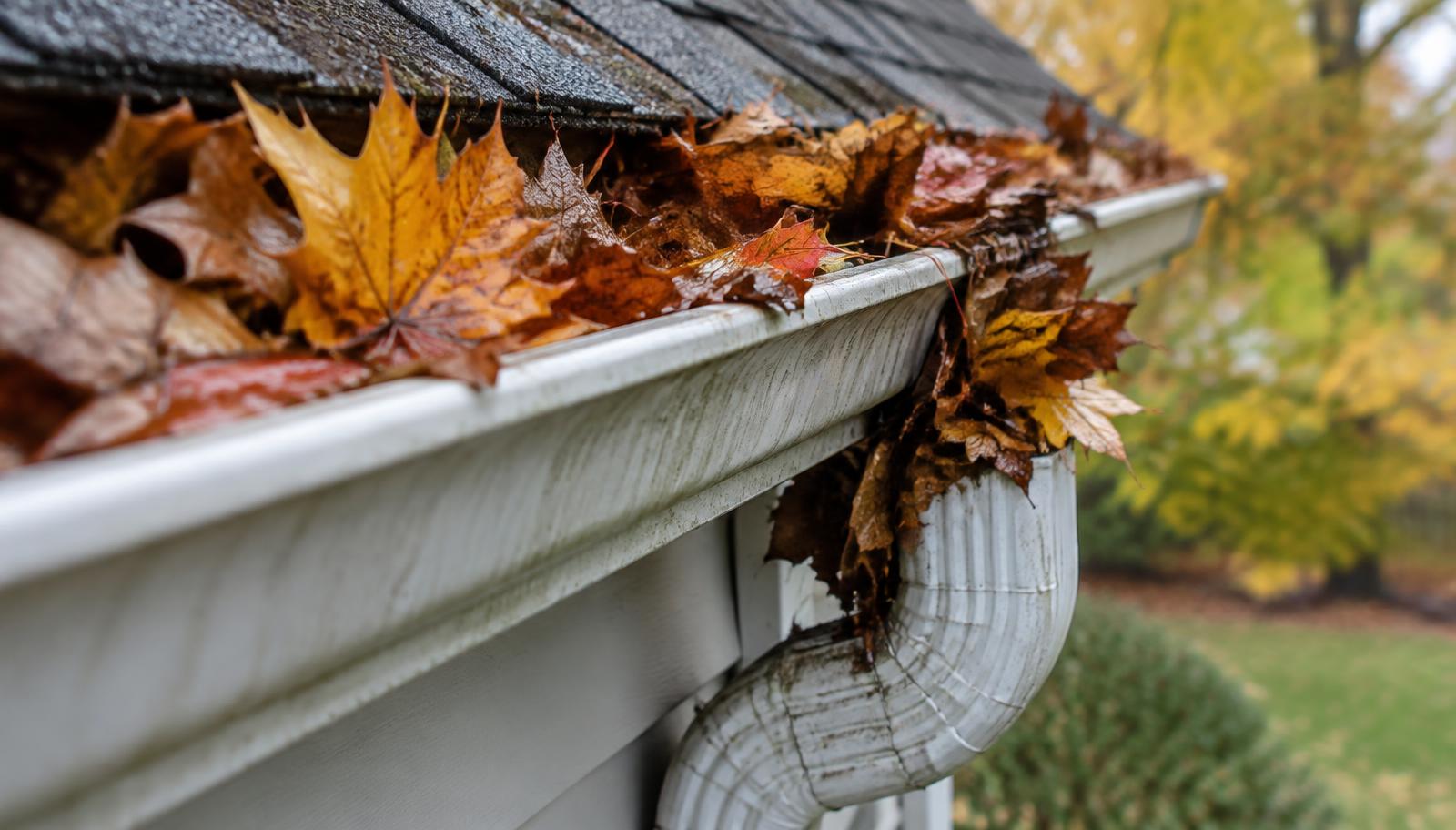
- Roof and gutters: From a safe place on the ground, look for visibly damaged or missing shingles, sagging sections, and gutters or downspouts that appear loose or blocked. Ask how the gutters are maintained and where downspouts direct water.
- Drainage: Notice whether the ground slopes toward or away from the home, and look for places where water may collect. Ask whether the property has had drainage work or recurring water concerns.
- Siding, trim, and foundation: Check for visible gaps, damaged materials, or areas that look recently repaired. Take a photo or note the location so an inspector can review it.
- Trees and walkways: Notice branches near the roof, leaves covering paths, uneven walking surfaces, and steps or railings that need attention. Keep safety in mind and do not climb or move anything during a tour.
Leaves can cover parts of a yard or walkway, so avoid assuming that a surface is in good condition just because it is not visible. Ask about maintenance and have concerns checked as part of your due diligence.
What signs of moisture should you look for indoors?
Water-related problems may not be obvious during a showing. Use your senses, look carefully at accessible areas, and ask direct questions rather than trying to diagnose a cause yourself.
Pay attention to musty odors, discoloration, bubbling or peeling paint, and visible staining on ceilings, walls, or floors. Check around windows and exterior doors for signs of moisture or damaged caulk. If the home has an accessible basement, crawl space, or attic, ask whether you may view it; do not enter a space that is unsafe or restricted.
Questions worth asking include:
- Has the home had leaks, flooding, or water intrusion?
- Have any moisture concerns been repaired, and is documentation available?
- Are there areas the seller recommends checking after heavy rain?
A mark on a wall does not tell you by itself what caused it or whether the issue is active. Record what you see and discuss it with your agent and inspector. If a concern is significant, ask the appropriate qualified professional what further evaluation may be useful.
What should you test or ask about inside?
A showing is a chance to notice how the home feels and gather questions, not to confirm the condition of every system. With permission, operate ordinary switches and fixtures, and note anything that does not seem to work as expected. Avoid adjusting equipment you do not understand.
Ask about the heating system’s service history, its age, and any known repairs. When the heat is running, notice whether rooms feel comfortable, but remember that a brief visit cannot establish how a system performs in all conditions. Ask where the thermostat is and whether the seller has manuals or service records.
Also check windows and doors for visible damage, difficulty opening or closing, and noticeable drafts. Look for cracked glass, damaged screens, or gaps at the edges. Ask whether windows or doors have been replaced and whether records are available. If you notice unusual odors, noise, or temperature differences, make a note instead of guessing at the cause.
How can you make the tour useful for your decision?
Use the same simple notes for each home: what you observed, what you could not check, and what you want to ask. Photos can help you remember details, as long as the seller or listing representative permits them. Keep observations separate from conclusions; “stain near the ceiling” is more useful than assuming what caused it.
Before making an offer, discuss your questions with your agent and consider the inspection and other due diligence available to you. An inspector can evaluate visible and accessible components and explain where additional review may be appropriate. Your agent can help you organize questions, understand the offer process, and keep track of the steps involved in buying in the NC Foothills.
Next step
If you are touring homes this fall, Janet Austin can help you prepare questions and organize your next steps. Contact her at 828-302-9763 or visit www.janetaustinhomes.com
Common questions
- What should buyers check during a fall home tour?
- Look at visible roof and gutter conditions, drainage, signs of moisture, windows and doors, and ask about heating-system maintenance. Keep notes and have concerns reviewed by a qualified inspector.
- Should I inspect the roof or crawl space myself?
- No. Observe what is safely visible during the tour, but do not climb onto the roof or enter unsafe or restricted spaces. Ask a qualified inspector to evaluate accessible areas.
- What questions should I ask about water concerns?
- Ask whether the home has had leaks or water intrusion, whether repairs were made, and whether documentation is available. Share any visible signs with your agent and inspector.
- Can a showing tell me whether a home’s heating system works properly?
- A showing offers only a brief look at how the system operates. Ask about service records and known repairs, and discuss any concerns with your inspector.
Next step: How we help you buy a home →